Women in Design
Behind the Brand with Amy Williams of Perennials
In celebration of Women In Design, we were thrilled to sit down with Amy Williams, the Vice President of Creative & Marketing at Perrenials and Sutherland (Suite 117).
![Amy Williams[1]](https://nydc.com/wp-content/uploads/2026/04/Amy-Williams1.jpg)
- Tell us briefly about yourself and your job as it pertains to the design industry.
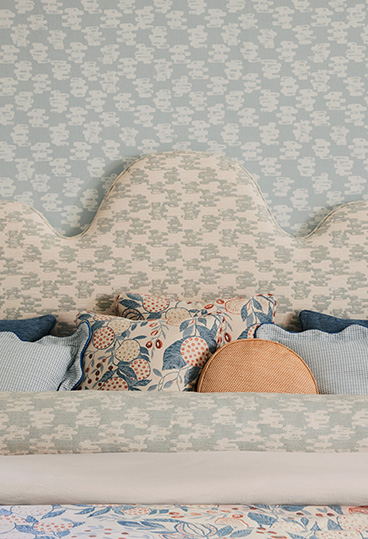
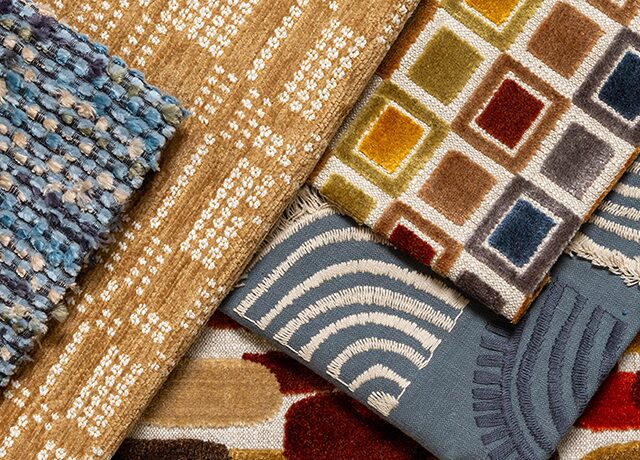
A big part of what I do is help bring the story of a collection to life. I feel incredibly lucky because I get to design collections of fabrics, rugs, and wallcoverings, and then also help shape how those collections are shared through marketing.
I love thinking about the bigger picture, the inspiration, the colors, and how everything comes together visually. I’m also very interested in typography, print design, and have been focused on evolving the visual language for Perennials and Sutherland so everything feels fresh, cohesive, and inspiring.
- What made you fall in love with design?
I’ve always been a little obsessive about patterns and color. I love how something as simple as a pattern or a color combination can completely change the feeling of a space.
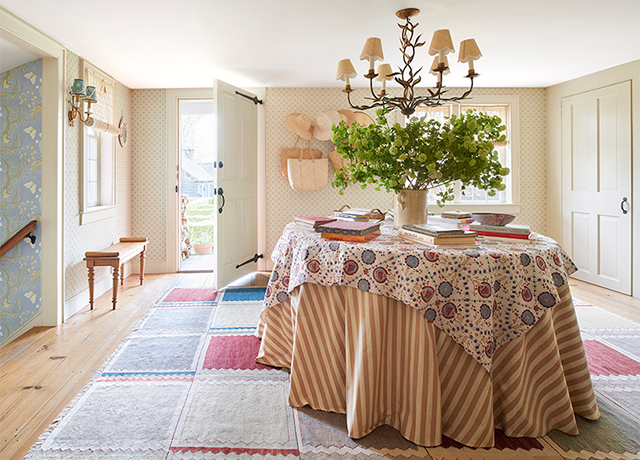
What really made me fall in love with design is seeing the product come to life in people’s homes. You start with an idea, a sketch, or a color story, and eventually you see it layered into a real space where people live and spend their time. There’s something incredibly rewarding about knowing that something you helped create becomes part of someone’s everyday environment.
I also love the storytelling side of design, how materials, colors, and textures create a mood and narrative that people bring into their own environments.
- What’s the best piece of advice you have ever received?
The best piece of advice I have received is to trust your gut and listen to your instincts. Over time, I have realized that instinct is really a mix of experience, observation, and intuition working together.
When something feels right or when something doesn’t, it’s important to pay attention to that. I have found that the moments when I truly trust my instincts often lead to the most interesting ideas and the strongest creative decisions.
- What woman in the design industry (past or present) do you admire most and why?
One woman in the art and design world I greatly admire is Emily Carr from Vancouver. She was a pioneering Canadian artist who followed her own path at a time when it wasn’t easy for women to do so.
Her paintings captured the power and spirit of the Pacific Northwest: forests, landscapes, and culture, with emotion and depth. What I admire most is her independence and the way she stayed true to her vision. Her work is a reminder of that creativity.
- How do you define success for yourself now vs. when you first started?
When I first started, success felt more external, learning as much as possible, proving myself, and building credibility in the industry.
Now I think about success a little differently. It is much more about confidence in your decisions and trusting your instincts. With experience, you realize you can’t constantly second-guess yourself. Success comes from having a clear point of view and moving forward with conviction.
It’s also about continuing to grow creatively while helping shape something meaningful alongside a great team.
- How have you seen the industry change for women over the years?
Having worked with and for many strong women, I have seen firsthand how much women have led the way in the design industry. Many of the voices shaping interiors, textiles, and creative businesses today are women with strong points of view.
What has changed is the visibility. Today you see more women owning companies, launching collections, and leading studios and brands in a very public way. There’s also a stronger sense of community where women support and champion each other, which is great to see.
- Can you share a moment or project that made you feel particularly empowered as a woman in design?
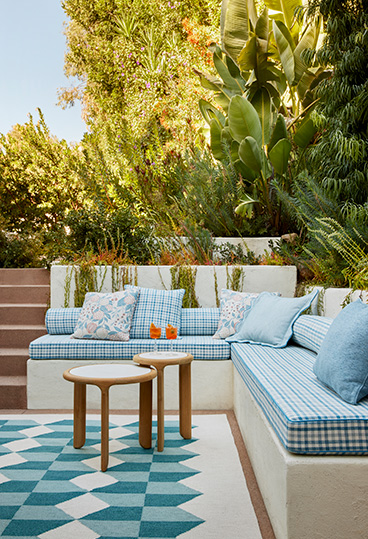
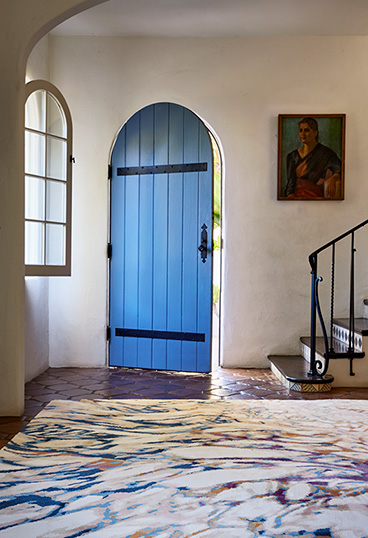
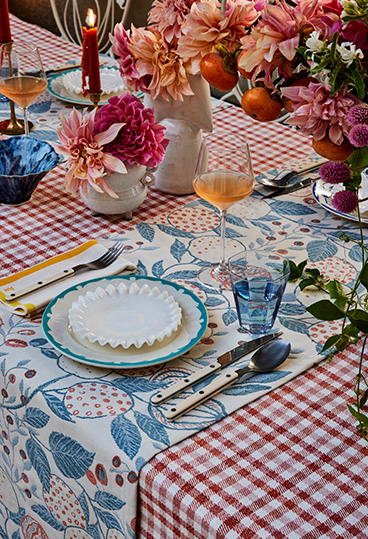
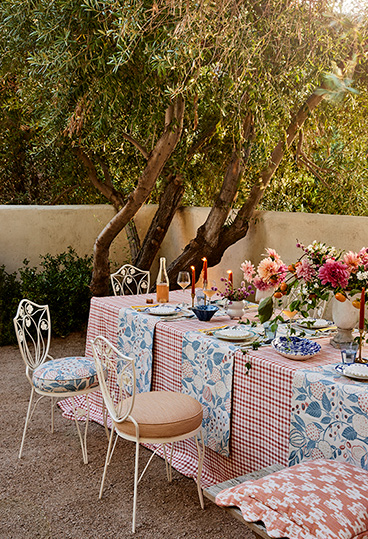
Our most recent launch of La Dolce Vita at Deco Off was a highlight for me. From creating the initial concept to finally seeing everything come to life, it was incredibly rewarding.
There are so many moving pieces with a project like that, so watching the vision come together in a way that felt cohesive and exciting was a special moment. What made it even more meaningful was seeing how people responded, watching designers walk through the space, engage with the collections, and connect with the story.
It was also a great reminder of how important collaboration is. Projects like that only happen because of a talented team and being able to help guide the creative direction while seeing everyone bring their part to life was something I felt proud of.
- How do you stay inspired and push the boundaries of your own work?
I try to stay curious and not accept the first idea as the final one. For me, inspiration comes from constantly looking, reading, and staying connected to what’s happening in design, art, and culture.
I love researching, visiting museums, and paying attention to architecture, fashion, typography, and nature. All of those things influence how I think about color, pattern, and texture.
I also believe in pushing past the obvious. The first idea is often just the starting point, so I like to keep exploring until something feels a little more unexpected or interesting. That curiosity — and the willingness to keep refining — is what helps me keep evolving my work.